
Wisdom Teeth Removal
Wisdom teeth removal is one of the most common oral surgeries we perform, and is nearly a rite of passage among teens and young adults. While the idea of surgery can bring up plenty of questions, our team is here to make the experience as simple and comfortable as possible for you and your family.

Do You Need Your Wisdom Teeth Removed?
Wisdom teeth typically emerge between the ages of 17 and 25. For some patients, they come in without issue. For many others, they create problems that can affect the surrounding teeth and overall oral health.
Removal may be recommended if you’re experiencing:
- Impacted wisdom teeth that haven’t fully emerged
- Pain, swelling, or signs of infection near the back of the mouth
- Tooth decay or gum disease around the wisdom teeth
- Crowding or pressure on nearby teeth
Early evaluation is one of the best ways to stay ahead of these issues. Catching them sooner often leads to easier treatment and a smoother recovery.
Why Wisdom Teeth Are Often Removed
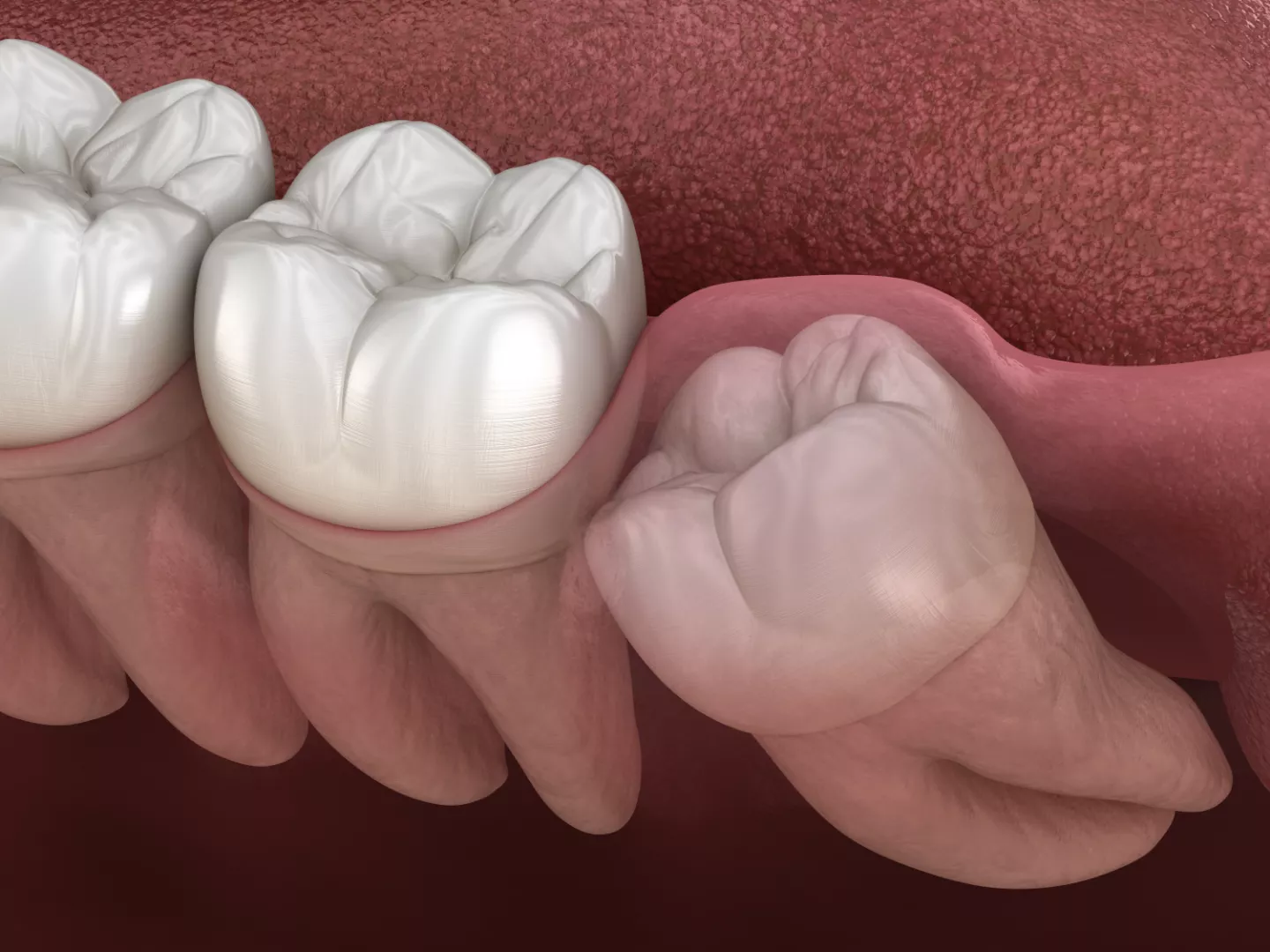
Wisdom teeth sit at the very back of the mouth, where brushing and flossing are difficult, even with the best routine. That makes them more prone to decay and gum disease. When they’re impacted, they can also damage neighboring teeth or shift the position of your bite over time.
Removing them earlier, often in the teen or early-twenties years, tends to mean simpler extractions, faster healing, and fewer complications down the road.
Our Approach to Wisdom Tooth Extractions
Wisdom teeth removal is a procedure our surgeons know inside and out. We use 3D imaging to map the exact position of each tooth before treatment begins, which means fewer surprises during the extraction and a more predictable recovery for you. Sedation is part of the conversation too, and your surgeon will help you choose the best option for your situation.

What to Expect During Your Procedure
Your visit starts with a thorough exam and imaging to assess the position and root structure of each wisdom tooth. Your surgeon will walk you through the sedation and anesthesia options, and any other details the procedure will involve.
Most extractions take less than an hour from start to finish. Once the procedure is complete, you’ll rest briefly in our office before heading home with a trusted adult to drive you. The first 2-3 days involve some swelling, mild discomfort, and rest. Your surgeon will provide clear instructions for the days that follow, along with everything needed to recover well.
Why Choose Our Practice for Wisdom Teeth Removal
Our surgeons have extensive experience caring for teens and young adults, with a focus on safety and comfort for both patients and their parents. We’re happy to take the time to answer questions, address any nerves, and make sure every family feels prepared before the day arrives. Schedule your consultation today to find out if wisdom teeth removal is the right next step.
Common Questions About Wisdom Teeth Removal
A few things patients and parents often ask before scheduling.
Our team will provide specific instructions ahead of time, including when to stop eating or drinking and which medications to pause. On the day of the procedure, wear loose, comfortable clothing and skip jewelry, contact lenses, and makeup. Arrange for a trusted adult to drive you home and stay with you afterward, especially if sedation is part of your treatment. Coming in prepared makes the day move smoothly.
Most patients feel noticeably better within three to five days, with full healing taking a couple of weeks. Some swelling, mild bruising, and tenderness are normal during the first few days, and easily managed with cold compresses and the medications your surgeon prescribes. Plan to take it easy, skip strenuous activity, and follow your surgeon’s care instructions closely. Most teens are back to school within a few days, and most young adults return to a regular routine shortly after.
For the first day or two, stick to soft foods like yogurt, smoothies, applesauce, mashed potatoes, and scrambled eggs. Avoid anything crunchy, spicy, chewy, or hot, and skip the straw, since suction can disturb the blood clot and lead to a painful condition called dry socket. Your surgeon will let you know when it’s safe to return to a regular diet, usually within a week or so.
Meet Our Specialists
Our five board-certified surgeons have one shared commitment: to deliver exceptional patient care for everyone who walks through our doors.