
Tooth Extractions
When a tooth is causing pain, crowding, or is damaged beyond repair—removing it can be the safest next step. Our surgeons perform extractions with care and precision to help you maintain a healthy smile.

How We Can Help
While tooth extractions are some of our most common procedures, every case is unique. Our board-certified surgeons bring extensive training to both simple and complex extractions, drawing on advanced imaging and modern surgical techniques to make your experience as smooth as possible.
You’ll be cared for by a team that takes the time to understand your situation, explain your options, and answer any questions before treatment begins. From your first consultation through your recovery, you’ll know exactly what to expect.
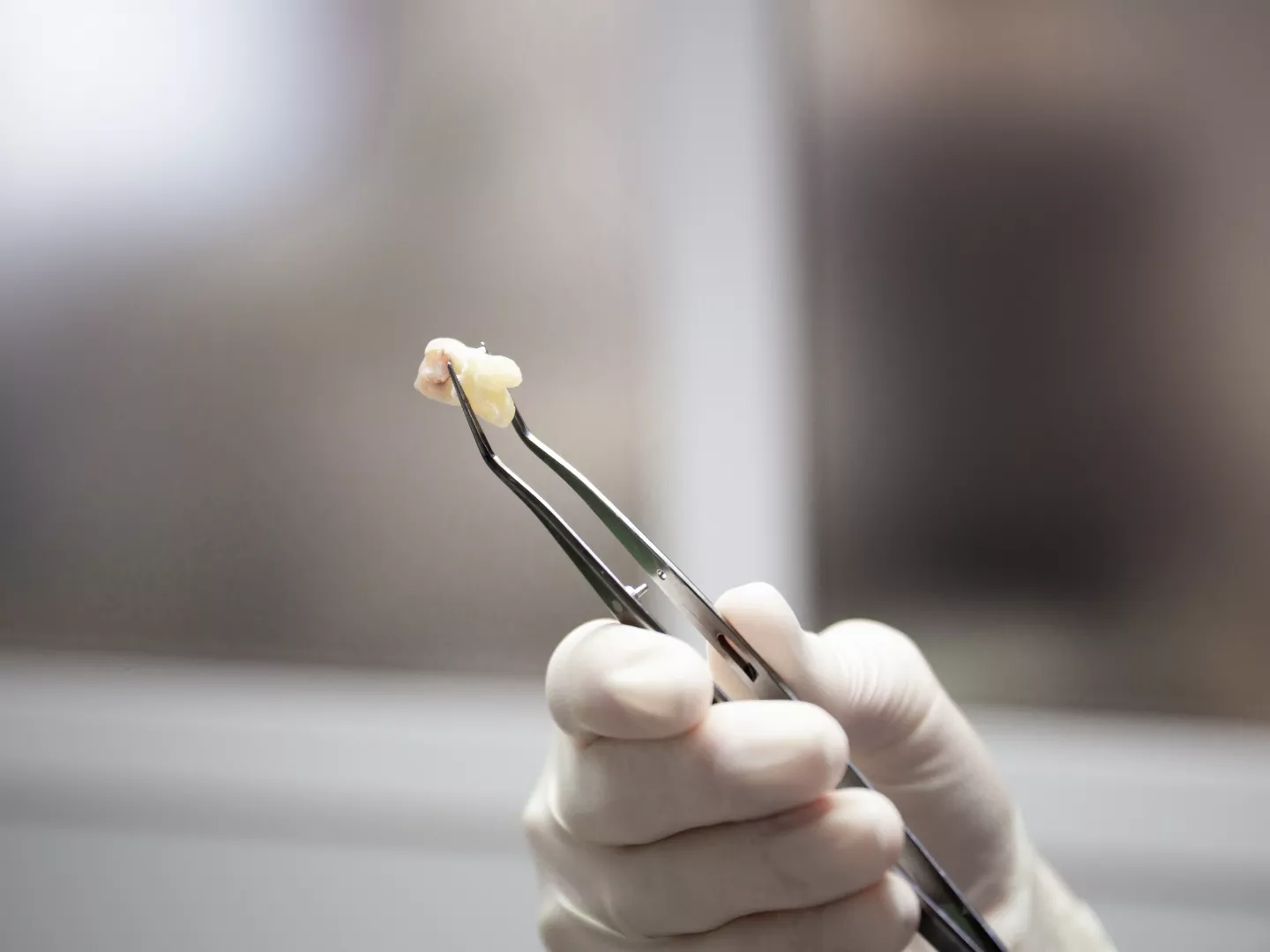
Why a Tooth May Need to Be Extracted
A few of the most common reasons your dentist or surgeon may recommend removal:
- Tooth decay that’s progressed beyond what a filling or crown can repair
- Gum disease that has weakened the bone supporting the tooth
- Impacted or infected wisdom teeth
- Crowding, especially in preparation for orthodontic treatment
- A fractured or severely traumatized tooth
Whatever the reason, your surgeon will discuss with you the best path forward.
The Tooth Extraction Process
Your treatment begins with a consultation. Your surgeon will examine the tooth, review imaging, and walk you through what to expect on the day of your procedure. If an extraction is recommended, you’ll also receive pre-surgery instructions so you can arrive feeling prepared.
On the day of the extraction, local anesthesia or sedation is used to keep you comfortable. Most procedures take less than an hour, and pain is well-managed both during and after with medications your surgeon prescribes.

After Your Procedure
A little care in the days following your extraction makes a real difference. Some bleeding, swelling, and mild discomfort are normal and typically settle within a few days. Apply gauze and gentle pressure to control bleeding, and use a cold compress to ease swelling during the first 24 hours.
Recovery
As you recover, stick to soft foods, stay well-hydrated, and avoid using straws or smoking, which can disrupt the blood clot and lead to a painful condition called dry socket. Brush gently around the extraction site, and follow any rinse instructions your surgeon provides. Easing back into activity slowly will help everything heal smoothly. If anything feels off, like worsening pain, signs of infection, or bleeding that won’t stop, give our office a call.
Schedule a Consultation
Putting off a problem tooth tends to make things harder, not easier. If you’re in pain or have been told an extraction is needed, our team is ready to help you feel better. Schedule your consultation today to talk through your options and start moving toward relief.
Common Questions About Tooth Extractions
A few things patients often want to know before treatment.
Cost depends on a few factors, including whether the procedure is a simple or surgical extraction, the location of the tooth, and the type of anesthesia used. Insurance often covers a portion of the cost, especially for medically necessary extractions. Our team will review your benefits, explain your estimated out-of-pocket expense, and walk you through financing options if you need them.
The procedure itself shouldn’t be painful. Local anesthesia numbs the area completely, and sedation is available if you’d prefer to feel more relaxed. Some soreness and swelling are normal in the days that follow, and most patients manage well with the medications and care guidance their surgeon provides. If discomfort feels stronger than expected, please call us. We’d rather hear from you than have you wait it out.
Most patients feel noticeably better within three to five days, with full healing of the gum tissue happening over a few weeks. Simple extractions tend to heal faster than surgical ones. Your surgeon will give you a more specific timeline based on your case, along with instructions to help things move along smoothly. Following the aftercare guidance closely is the best way to keep your recovery on track.
Meet Our Specialists
Our five board-certified surgeons have one shared commitment: to deliver exceptional patient care for everyone who walks through our doors.