Bone Grafting
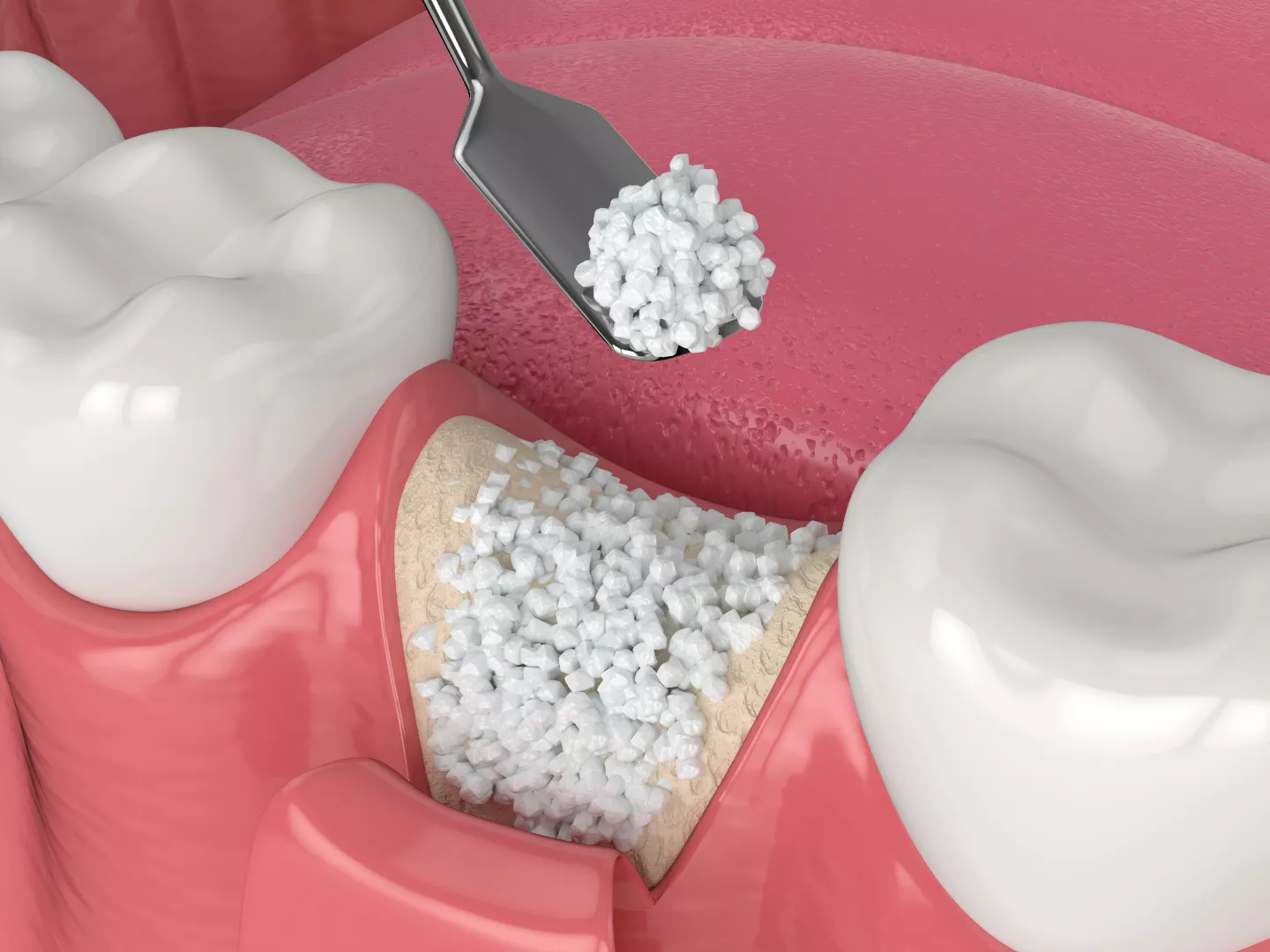
When the jawbone has thinned or lost density, bone grafting offers a way to rebuild it. This foundational procedure helps support future dental implants and protects your long-term oral health.
Why is Bone Grafting Important?
Healthy bone is the foundation that holds your teeth and future restorations in place. Without enough of it, implants can’t anchor securely. Your face may also begin to lose its natural support and shape over time, leading to a more aged appearance.
Bone grafting addresses these concerns by adding new bone where it’s needed. The result is a stronger foundation for whatever comes next in your treatment.
Advanced Techniques for Better Outcomes
Our surgeons use a range of techniques to fit the specifics of your situation.
Sinus Lift
A sinus lift gently elevates the sinus membrane to create space for a graft. It's often a key step before placing implants in the back of the upper jaw.
Ridge Augmentation
When the alveolar ridge has lost width or height, ridge augmentation rebuilds it. This restores structural stability and improves the look of your smile.
Ridge Preservation
Performed right after a tooth extraction, ridge preservation helps prevent the natural bone loss that often follows. Preserving the area early keeps your future options open.
Types of Dental Bone Grafts
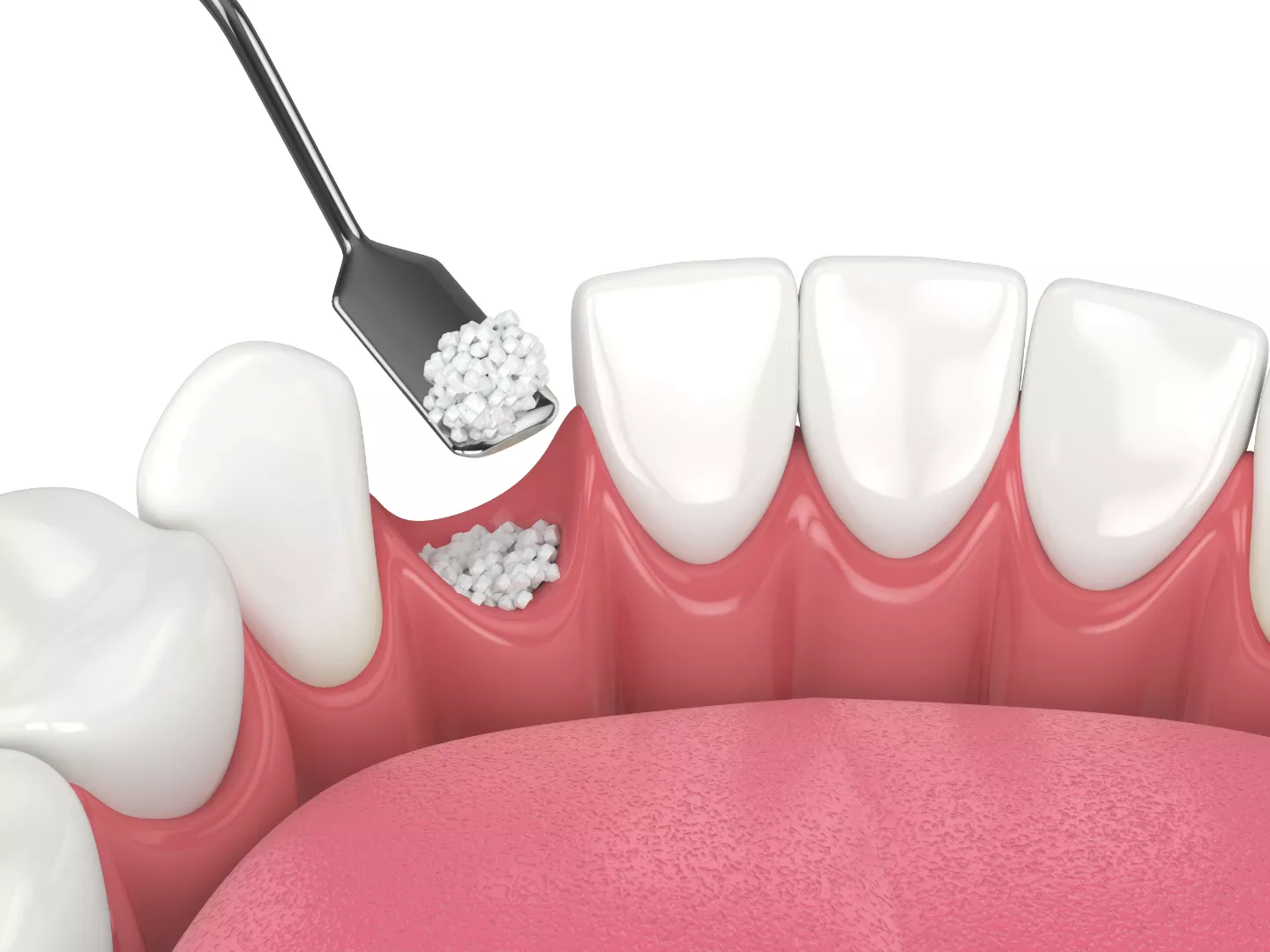
Different cases call for different graft materials. Your surgeon will recommend the option best suited to your needs:
- Autograft: Bone harvested from your own body, and is the easiest for your body to integrate
- Allograft: Bone sourced from a certified donor or tissue bank, so you don’t need to use your own
- Xenograft: Carefully from an animal, typically bovine, that supports new bone growth
- Synthetic Grafts: Biocompatible materials that encourage your body to regenerate its own bone tissue
Each option is safe and well-studied. Your surgeon will recommend the one that gives you the strongest, healthiest result.
The Process and Healing
The first step is to meet with one of our specialized surgeons for a consultation, which will include advanced imaging and a custom treatment plan. They will explain what’s going on with your jawbone, walk you through what the procedure will entail, and ensure your questions are answered so you can feel confident moving forward.
When surgery day comes, sedation and anesthesia options are available to help you feel comfortable and relaxed. Most grafting appointments take an hour or two. Recovery typically involves some swelling and tenderness for a few days, but our patients say that it is manageable with lots of rest, eating soft foods, and by following their surgeon’s instructions. Full bone healing happens gradually over several months.
Schedule a Consultation
A consultation is the best way to find out if bone grafting is needed for you to get the tooth restoration you’ve been hoping for. Take the first step today by scheduling your initial consultation.
Common Questions About Bone Grafting
Here are a few common questions patients ask when considering treatment.
The procedure itself is performed under sedation or local anesthesia, so you shouldn’t feel any discomfort during treatment. Some tenderness and swelling are normal for a few days afterward. Your surgeon will recommend medication and care strategies to keep you feeling as good as possible during recovery.
Initial healing usually takes one to two weeks, during which most patients return to their normal routine. Full bone integration takes several months and varies by individual. Your surgeon will monitor your progress at follow-up visits and let you know when you’re ready for the next phase of treatment.
Not always. Many patients have enough natural bone to support an implant directly. For others, bone grafting becomes an important first step in creating a stable foundation. Your surgeon will use 3D imaging during your consultation to evaluate your bone structure, then explain whether a graft is recommended.
Meet Our Specialists
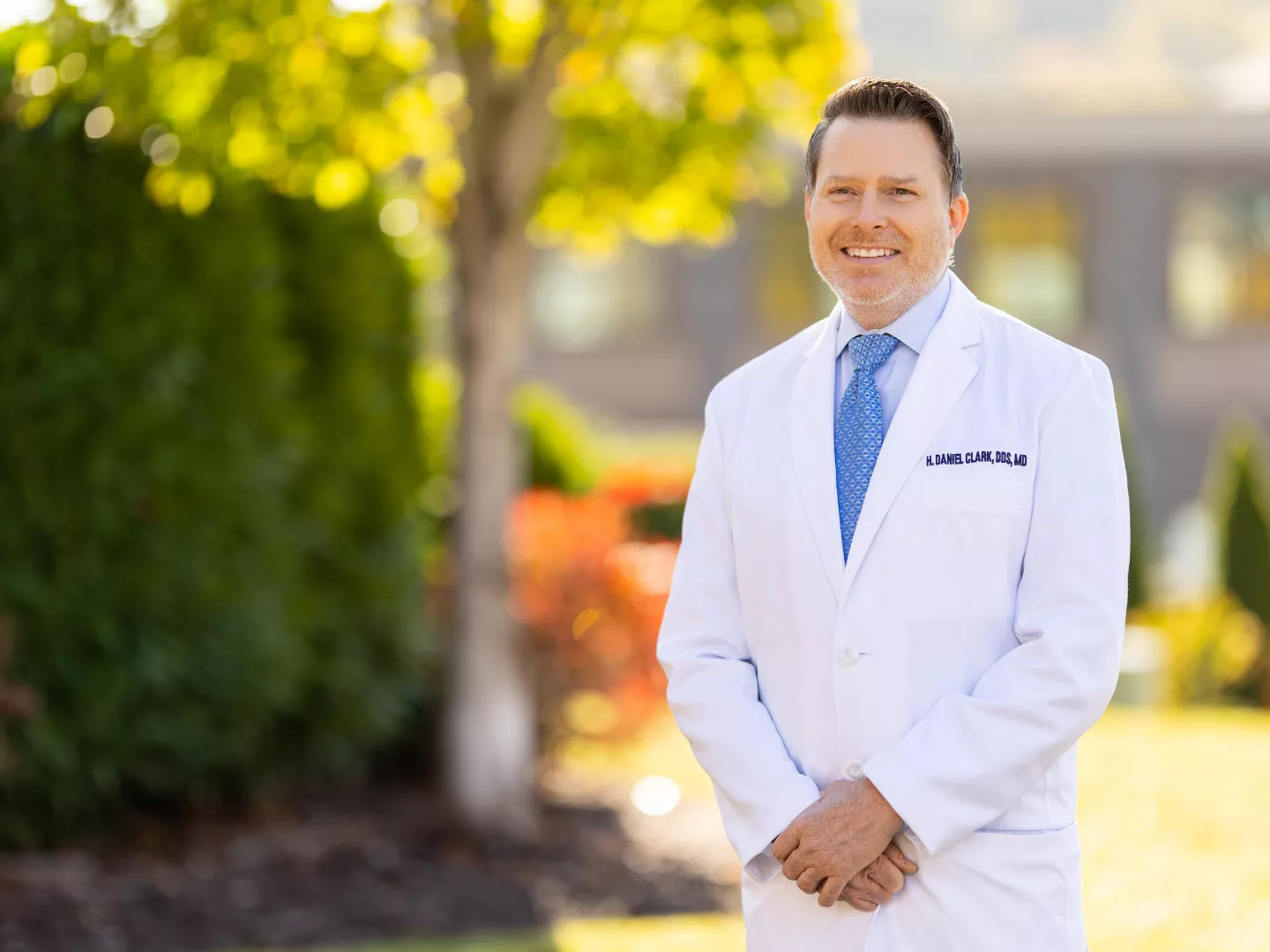
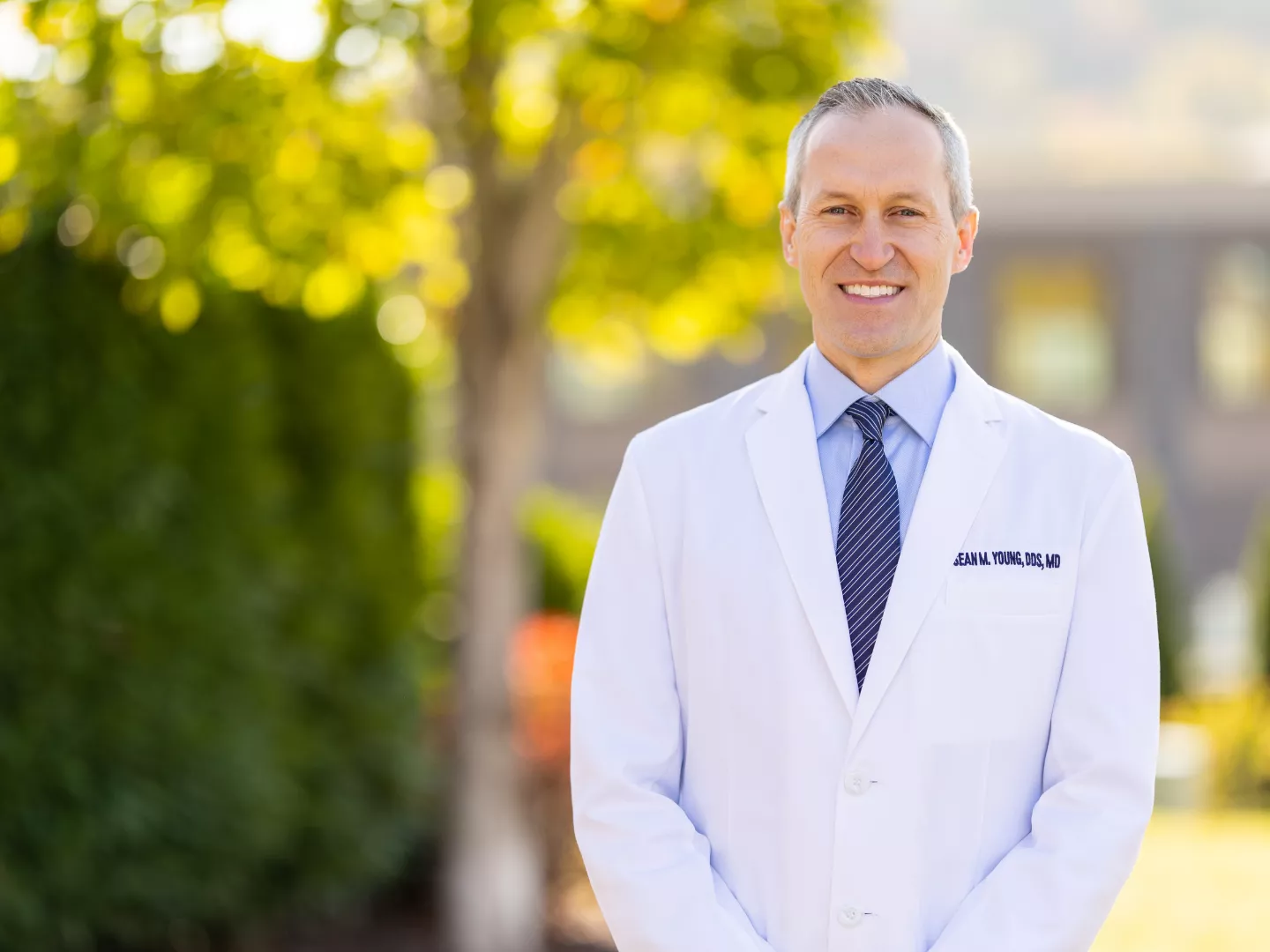
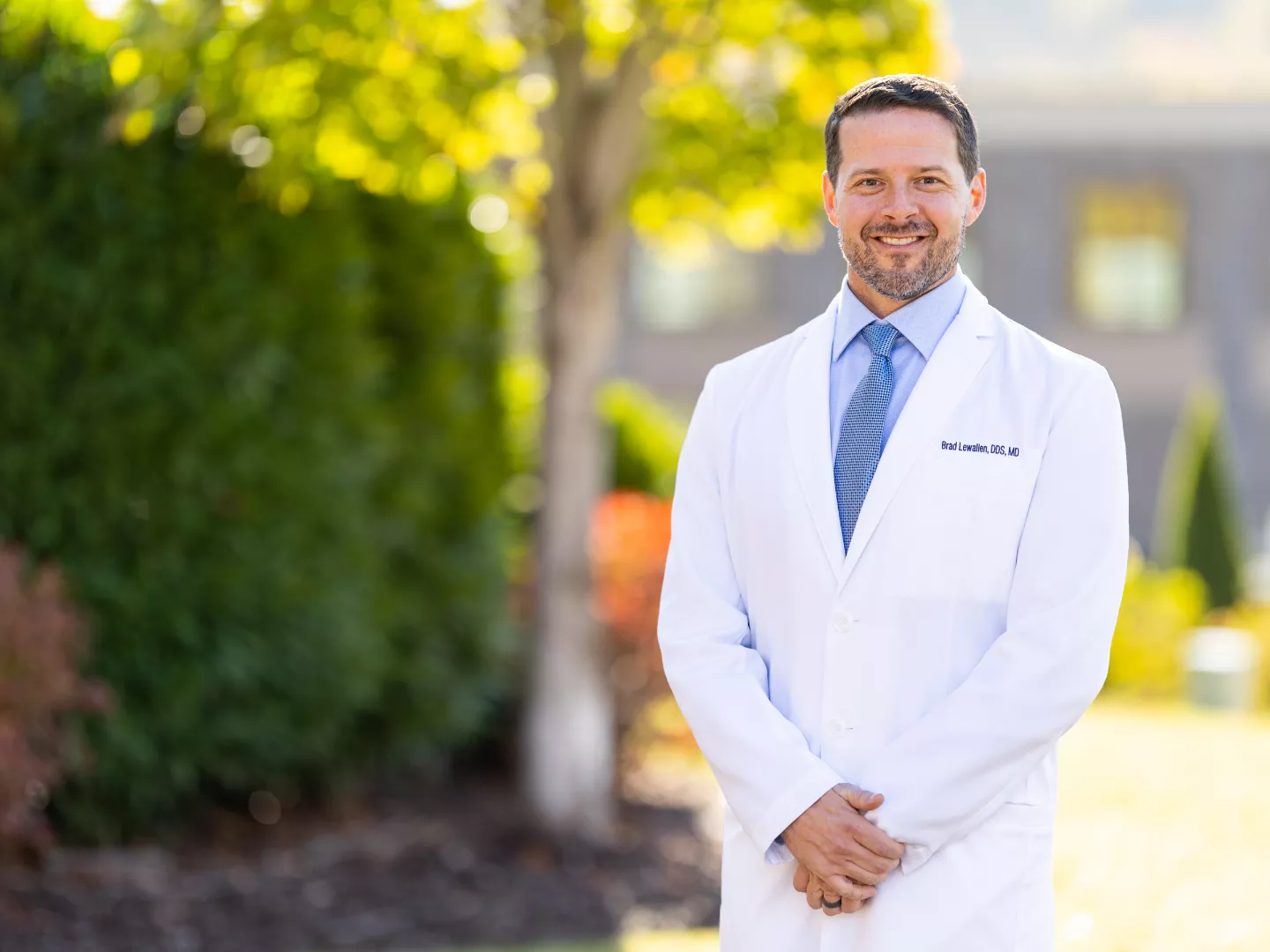
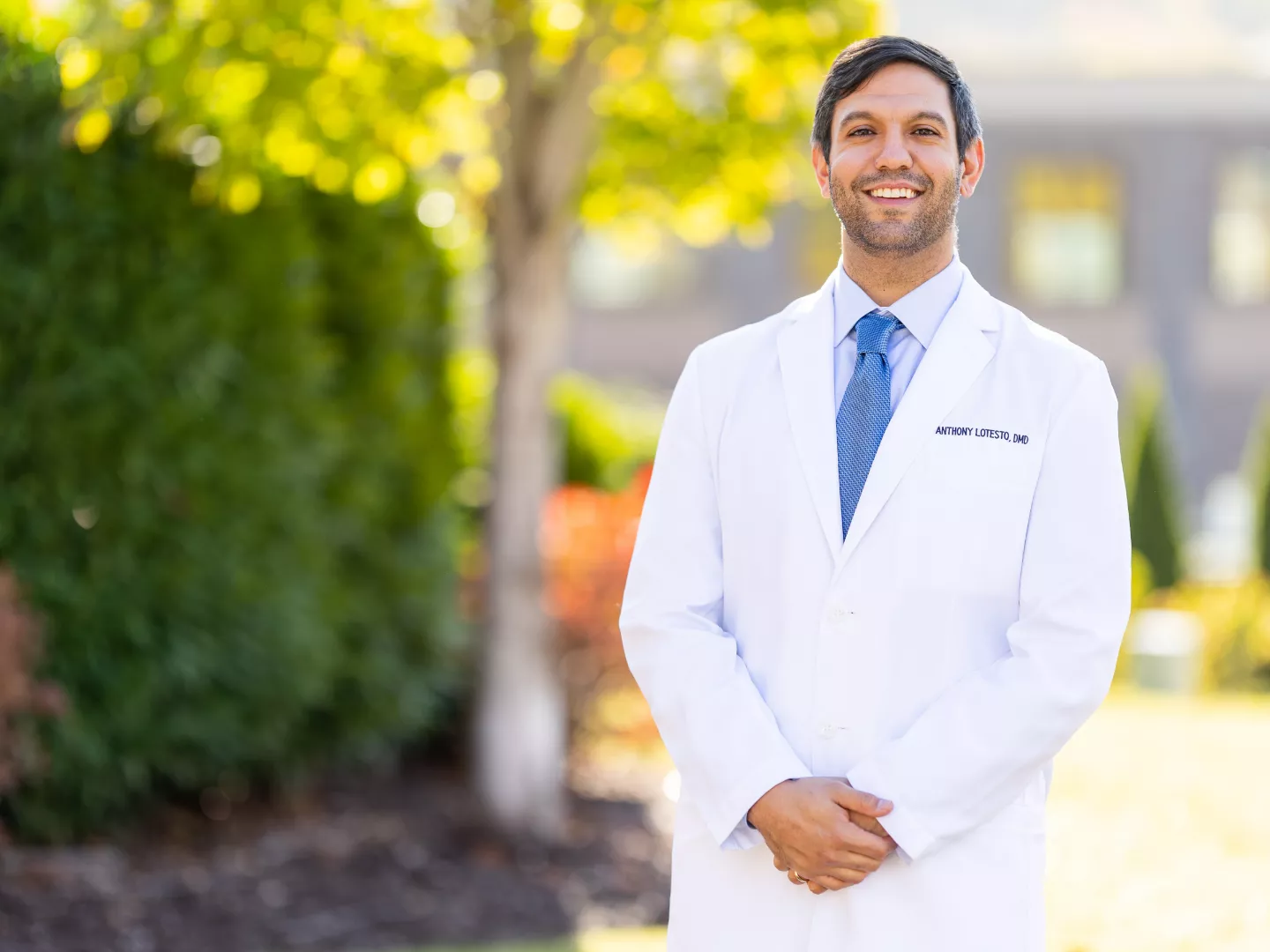
Our five board-certified surgeons have one shared commitment: to deliver exceptional patient care for everyone who walks through our doors.