Sinus Lift Surgery
If you’ve been told there isn’t enough bone in your upper jaw for a dental implant, a sinus lift can help fix that. The procedure rebuilds the height of bone needed to support a stable and lasting implant, opening the door to tooth replacement that may have seemed out of reach.
Why You Might Need a Sinus Lift
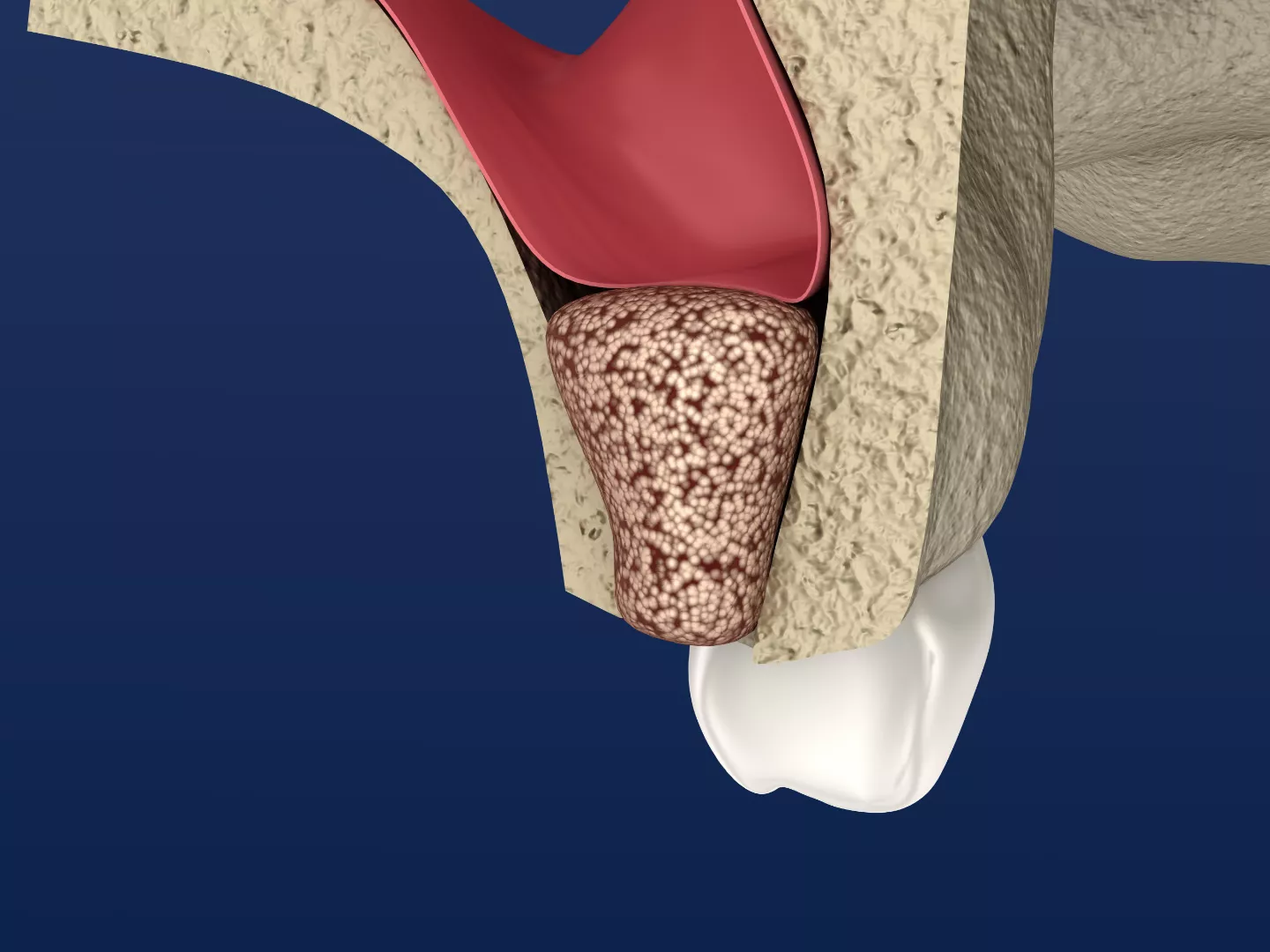
After tooth loss or years of gum disease, the bone in your upper jaw can begin to thin. The sinus cavity above naturally shifts downward into the empty space, leaving too little bone to anchor an implant securely.
A sinus lift addresses this by gently raising the sinus membrane and adding new bone where it’s needed. The result is a strong, healthy foundation that makes implant placement possible, even in cases that previously weren’t.
How the Sinus Lift Procedure Works
The procedure is straightforward and typically performed in our office under local anesthesia or sedation, depending on what suits you best.
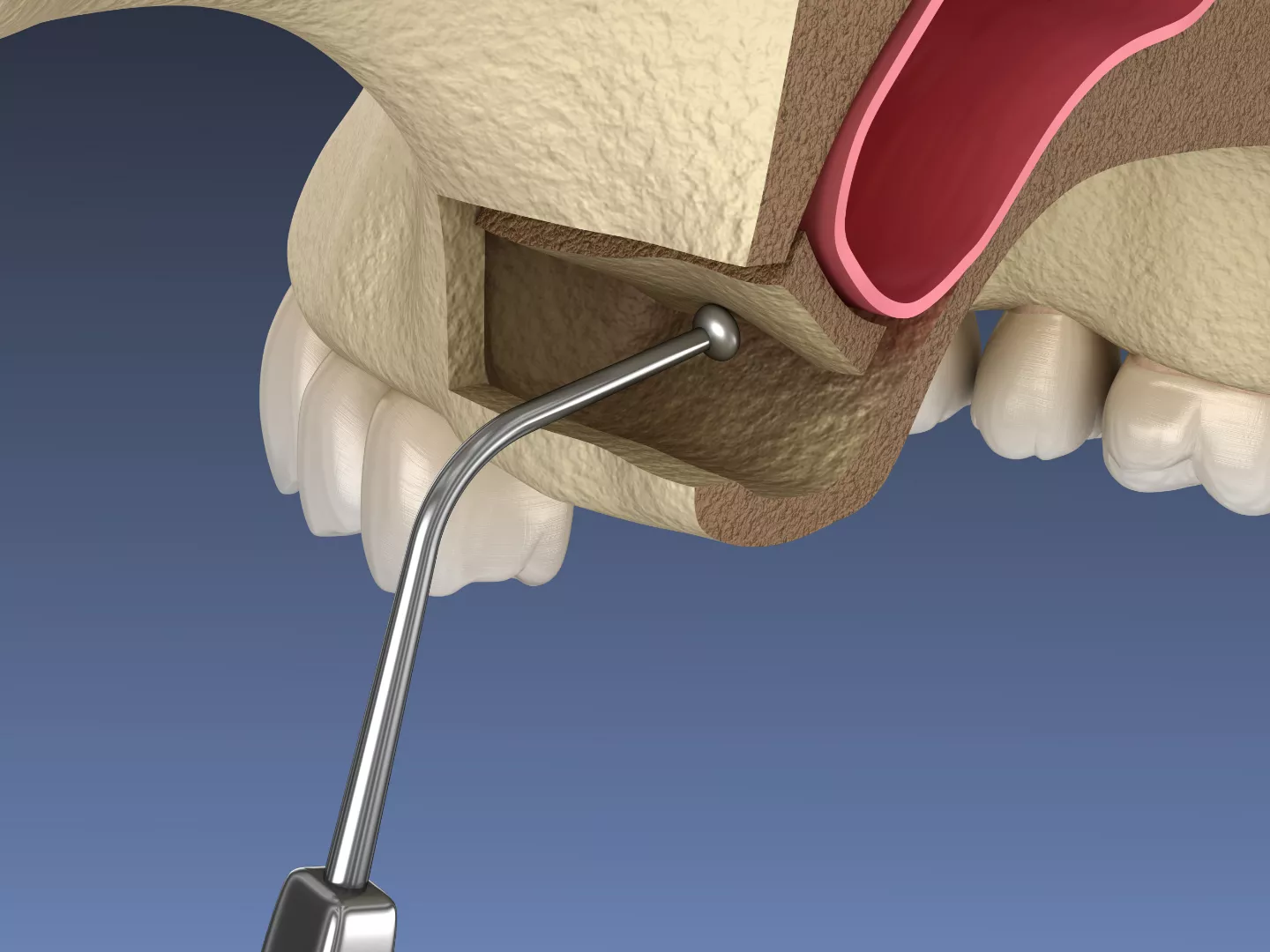
Your surgeon will gently lift the gum tissue to access the bone, then create a small opening through which the sinus membrane can be carefully raised. Bone graft material is then placed beneath the membrane to add height. Once everything is in position, the area is closed and allowed to heal.
In most cases, the graft needs four to twelve months to fully integrate with your natural bone before an implant can be placed. For some patients, the implant can be placed at the same time as the lift. Your surgeon will determine the right timing based on your individual situation.
Are You a Candidate for a Sinus Lift?
The best way to know is through an initial consultation. Your surgeon will use advanced 3D imaging to assess your sinus and bone structure, then build a personalized treatment plan around your unique situation. Several factors come into play, including how much bone you currently have, your overall health, and the timeline you’d like to follow for implant placement.
If a sinus lift isn’t the right step, your surgeon will explain why and walk you through other paths that may better fit your situation.

The Benefits of Sinus Lift Surgery
A sinus lift makes more than just an implant possible.
The procedure also:
- Helps prevent further bone loss in the upper jaw
- Increases bone volume so dental implants have a stable, secure foundation
- Sets the stage for a more durable, natural-looking restoration
Schedule a Sinus Lift Consultation
A sinus lift can open up options for tooth replacement you may have thought weren’t available to you. Our surgeons bring deep experience and modern surgical tools to every case, with a focus on careful planning and predictable results. Schedule your consultation today to find out if a sinus lift is the right next step for your smile.
Common Questions About Sinus Lift Surgery
A few things patients often want to know before scheduling treatment.
Most patients feel back to normal within a week or two, with some mild swelling and tenderness during the first few days. You’ll want to avoid blowing your nose, sneezing forcefully, or doing anything that puts pressure on the sinus area while healing. Your surgeon will provide specific instructions to keep your recovery smooth, and our team is just a phone call away if anything comes up.
Yes, the sinus lift doesn’t change how your sinuses function. The procedure only adjusts the floor of the sinus to add bone height beneath it. Some patients notice mild congestion or pressure for a few days after surgery, like a head cold, but this resolves on its own as the area heals. Normal breathing returns quickly.
Without enough bone height, an implant can’t be placed safely or securely in the upper jaw. The implant may not integrate properly, or it could interfere with the sinus cavity above. A sinus lift creates the foundation needed for a successful, long-lasting result. If you have any concerns about whether the procedure is right for you, your surgeon will walk through every option during your consultation.
Meet Our Specialists
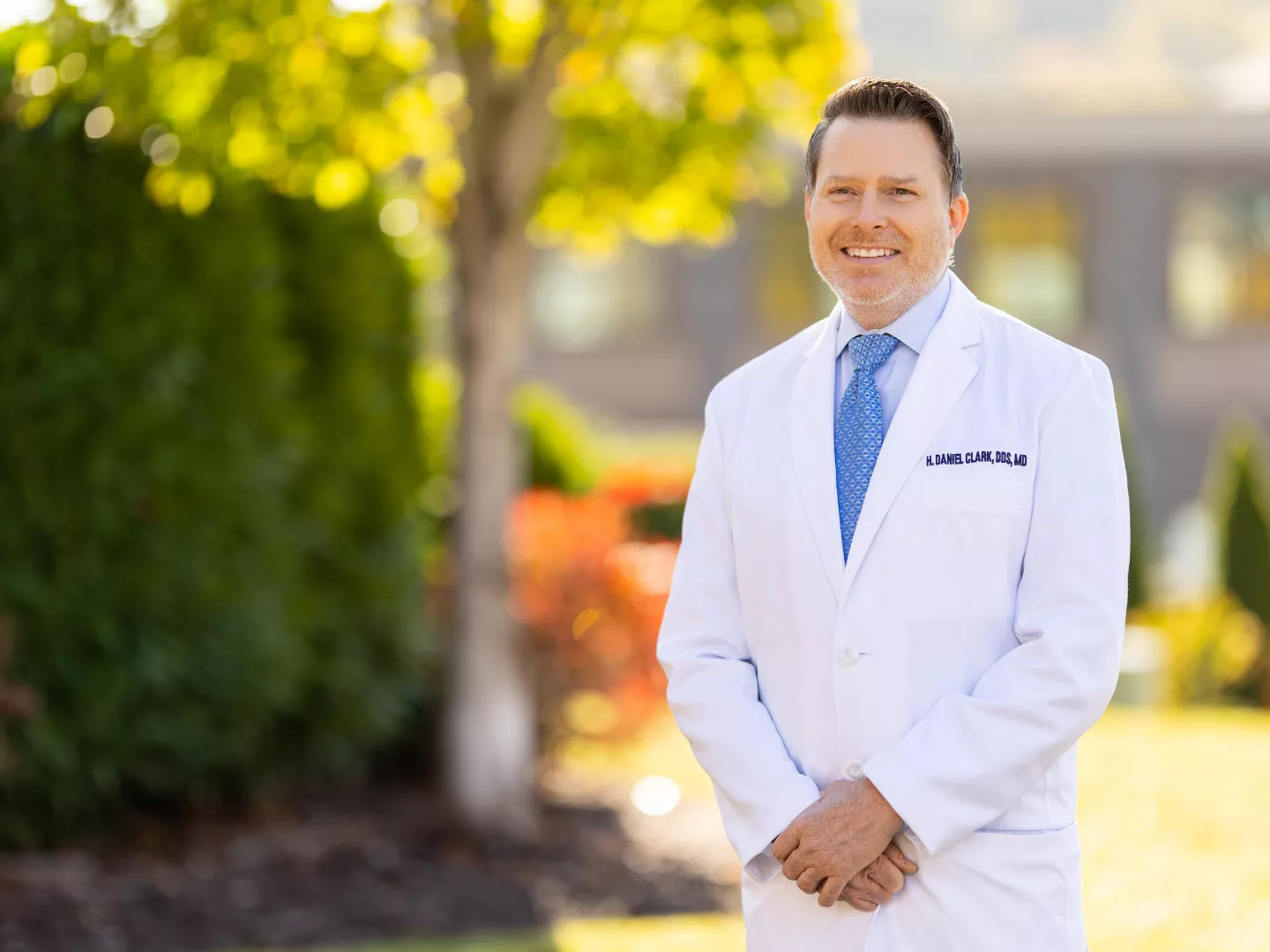
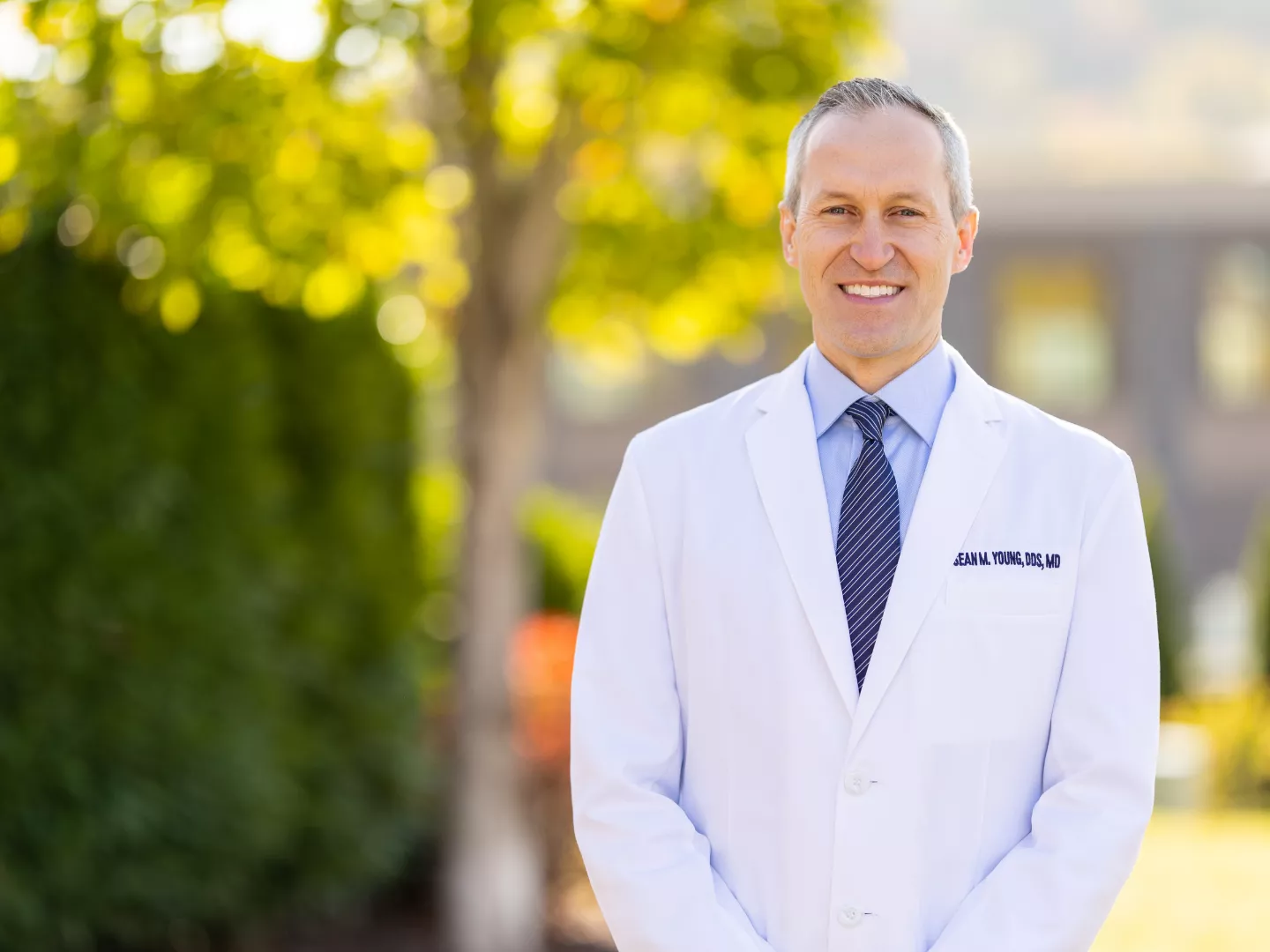
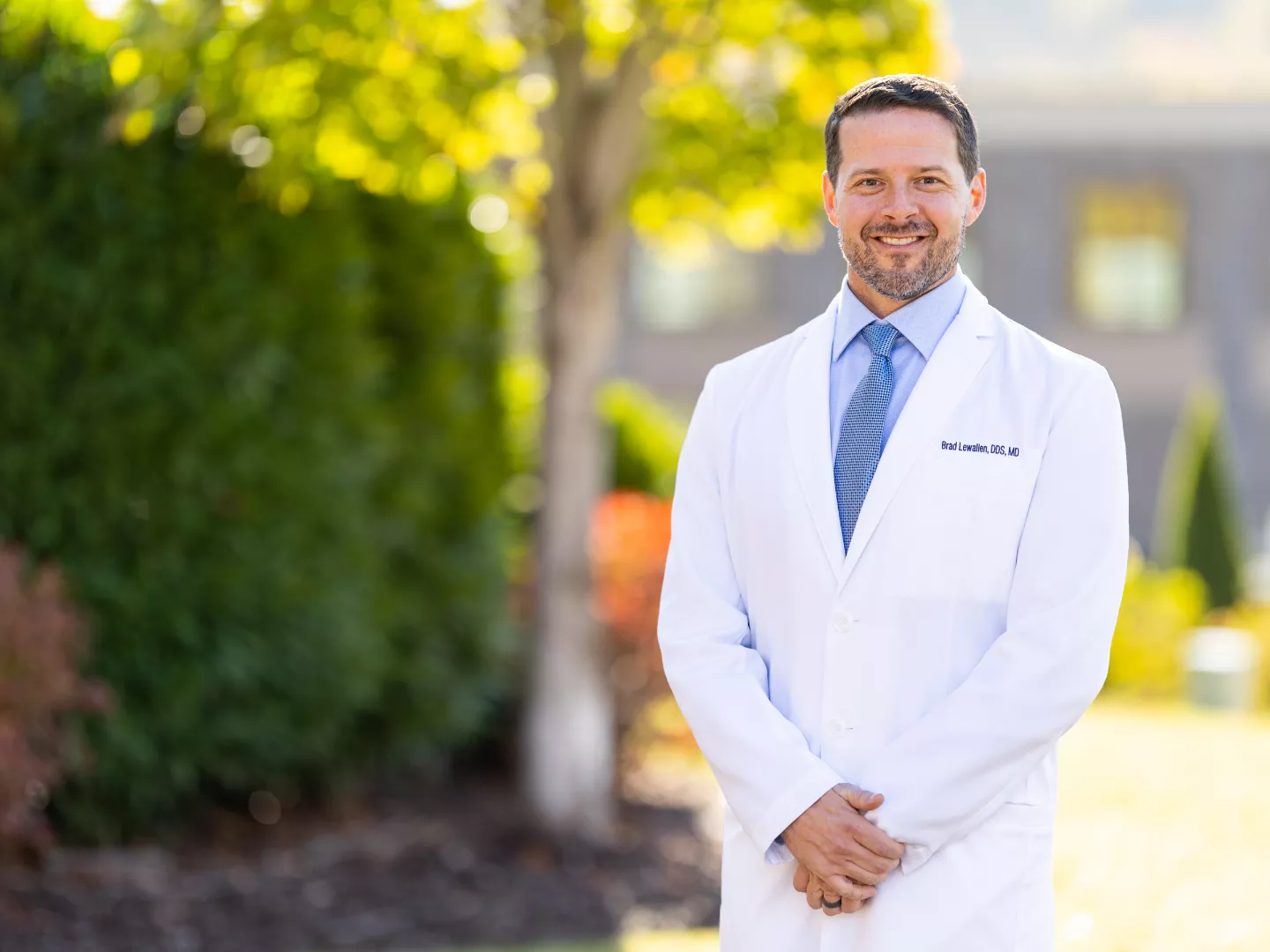
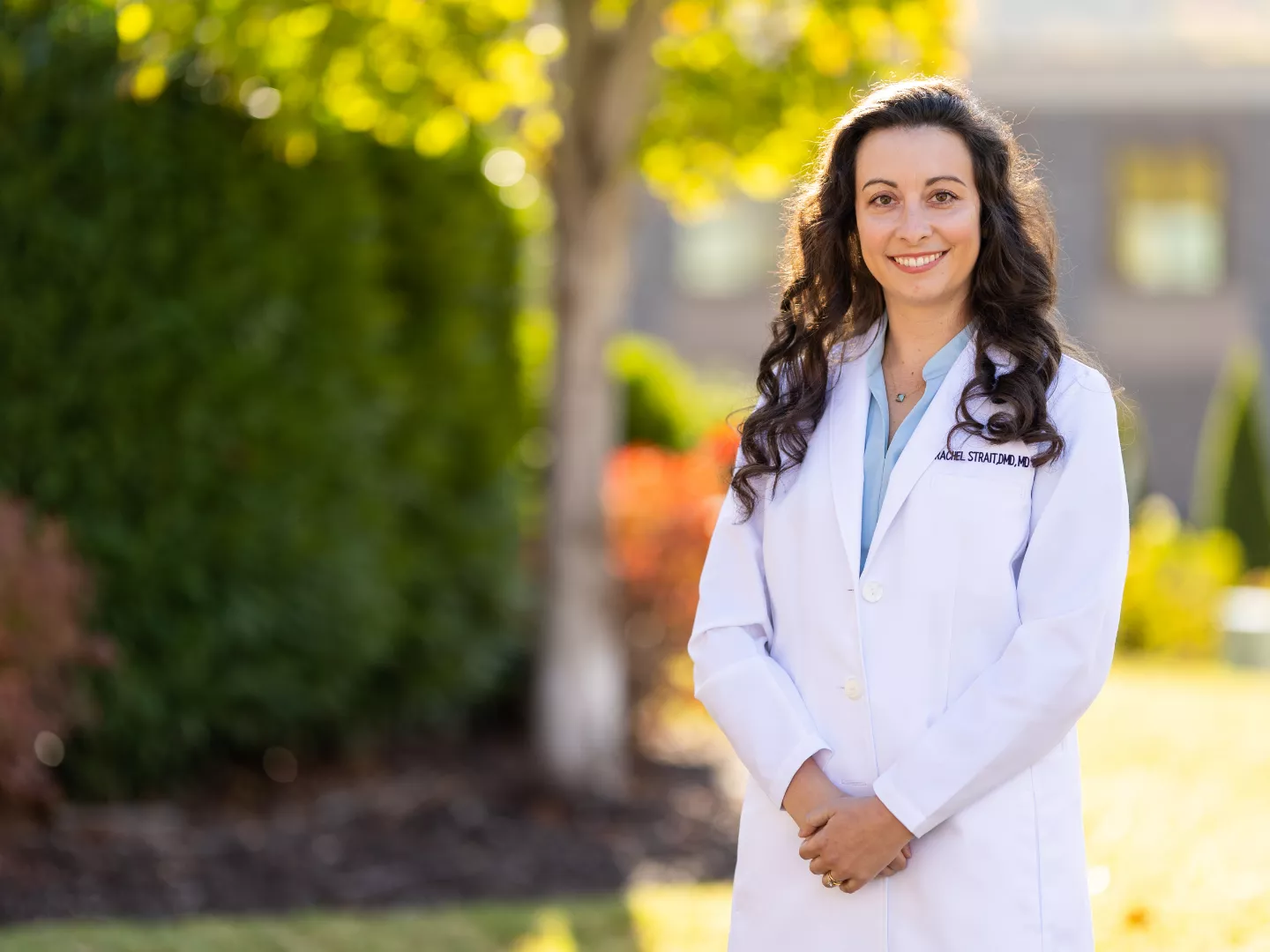
Our five board-certified surgeons have one shared commitment: to deliver exceptional patient care for everyone who walks through our doors.