
Sedation Options
Feeling a little nervous before oral surgery is completely normal. Whether you’re managing a little dental anxiety, or preparing for a more involved procedure, the right sedation can make all the difference to help you feel calm and in control.
Why Sedation Might Be Recommended
Many patients put off getting the oral care that they need because they feel a bit apprehensive about surgery. Thankfully, sedation is a trusted remedy to help cure nerves and help you move forward with confidence.
Your surgeon may also recommend sedation if you have strong gag reflex, if you’re undergoing a complex procedure, or if you have a medical condition that calls for additional care during treatment. Sedation is a useful option for anyone who simply prefers a deeper sense of relaxation during their visit.
Your Sedation Options
The right sedation depends on the procedure you’re having and what helps you feel most at ease. Your surgeon will walk you through the options and recommend the one best suited to your comfort and the complexity of your treatment.
Numbs only the area being treated, used for routine procedures where you remain fully awake and alert.

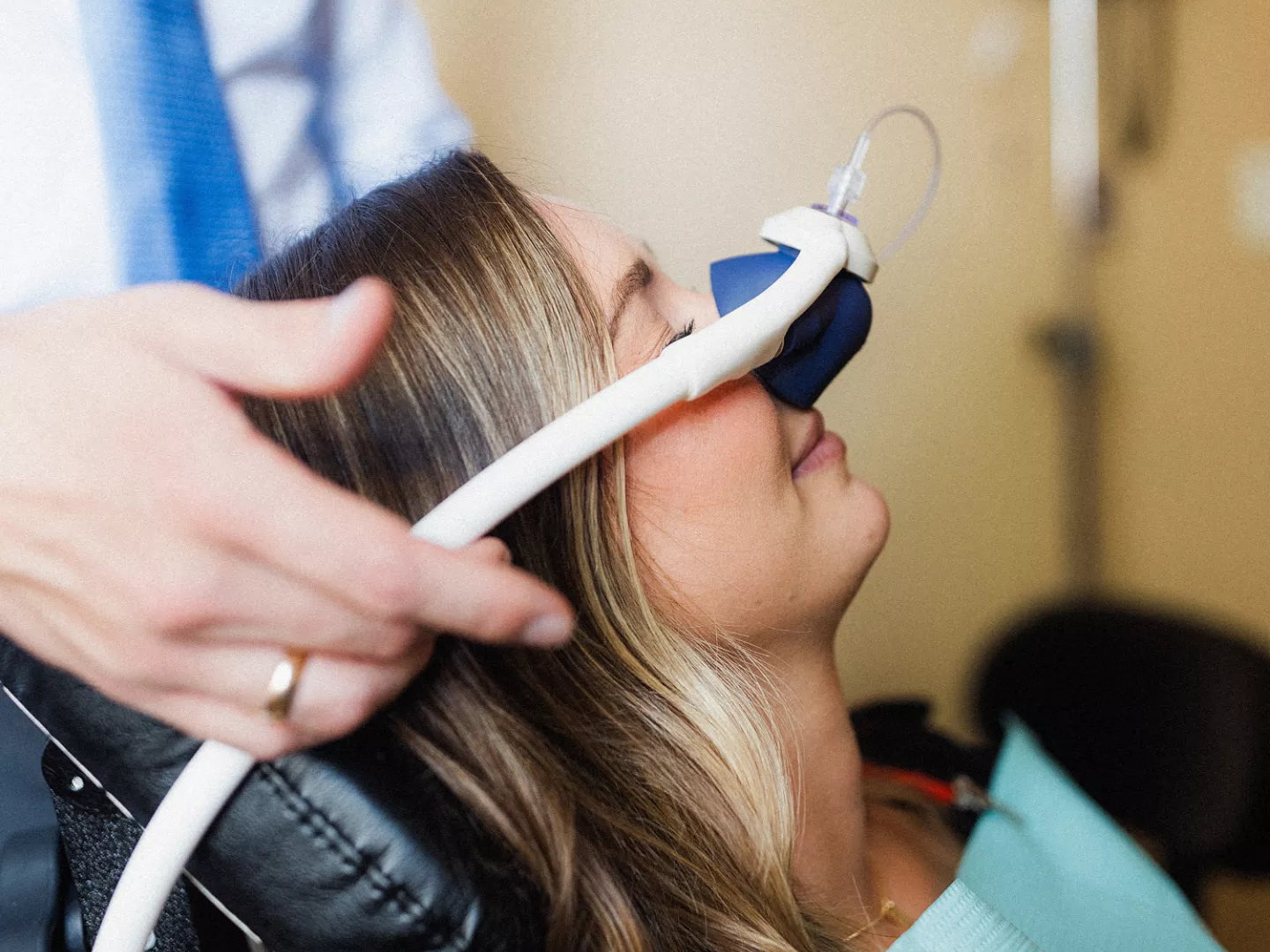
A light, inhaled sedative that helps you feel relaxed during your appointment. It wears off quickly, so most patients can drive themselves home afterward.

A prescription medication taken before your appointment that helps you feel calm and drowsy, yet awake.

Delivered through a small IV, this option produces a deeper state of relaxation. Most patients have little to no memory of the procedure.

Used for more extensive cases, typically in a hospital setting. You’re fully asleep and continuously monitored by an anesthesia professional.


A Closer Look at IV Sedation
IV sedation is one of the most popular options for patients, and for good reason. The medication is delivered directly into the bloodstream, which means your surgeon can adjust the level of sedation precisely throughout your appointment. Most patients describe the experience as restful and uneventful, with little to no memory of the procedure afterward.
Our surgeons are among the most highly trained and credentialed dental specialists in the safe delivery of IV sedation and various levels of sedation. Throughout treatment, your vital signs are monitored continuously. Heart rate, oxygen levels, and blood pressure are all watched closely, and your sedation is overseen by an experienced oral surgeon trained in safe administration.
Preparing for Your Sedation Appointment
A few simple steps in advance help your appointment go smoothly:
- Follow any fasting instructions your surgeon provides
- Pause certain medications as directed
- Arrange for a trusted adult to drive you home and stay with you afterward
You’ll receive specific guidance when your appointment is scheduled, and our team is happy to answer any questions before the day arrives. Throughout your visit, your care team will stay by your side to ensure your comfort from the moment you settle in until you’re ready to head home.

Schedule Your Consultation
Our patients often tell us how pleasantly surprised they are at how comfortable they feel throughout their treatment experience — and incorporating the right sedation plays an important role. When you’re ready to learn more, we’re here to help you feel fully supported throughout every part of your care. Schedule your consultation today to get started.
Common Questions About Sedation
A few things patients often ask before their appointment.
The right choice depends on a few factors: the type of procedure you’re having, your personal comfort level, your medical history, and how relaxed you’d like to feel during your visit. During your consultation, your surgeon will discuss the options with you and recommend the one that best balances safety, comfort, and the demands of the procedure. Then, you’ll make an informed decision with your surgeon about the best choice for you.
It varies depending on the type of sedation. With nitrous oxide, most people feel light and at ease while staying alert. With oral sedation, you might feel a pleasant drowsiness. IV sedation typically produces a deeper, dream-like calm, and many patients describe it as the closest thing to a quick nap. Across all options, you’ll be carefully monitored and supported throughout your visit.
Most sedation side effects are mild and temporary. The most common include drowsiness, slight dizziness, or a brief feeling of grogginess as the medication wears off. Some patients experience mild nausea, which usually resolves quickly with rest. Serious side effects are uncommon, especially when sedation is administered by an experienced oral surgeon and accompanied by continuous monitoring throughout your treatment.
Meet Our Specialists
Our five board-certified surgeons have one shared commitment: to deliver exceptional patient care for everyone who walks through our doors.